What is ADA Compliance & Web Accessibility?
ADA compliance refers to conforming to the guidelines set forth by the Americans with Disabilities Act (ADA) to ensure that all individuals, regardless of their physical or cognitive abilities, can access and interact with digital content and services without encountering unnecessary barriers.
Web accessibility, on the other hand, involves designing and developing websites, applications, and digital content in a way that accommodates individuals with disabilities. This includes making sure that information is perceivable, operable, understandable, and robust for a wide range of users, including those who rely on assistive technologies like screen readers, keyboard navigation, and voice recognition software.
In essence, ADA compliance and web accessibility work hand in hand to create an inclusive online environment where everyone can participate, access information, and engage with digital platforms without discrimination or hindrance based on their disabilities.
Let us do the heavy lifting and free up your time.
The Consequences of Non-ADA Compliance for Your Website
Legal Ramifications
Neglecting ADA compliance can expose you to legal troubles, including lawsuits and legal actions. Numerous jurisdictions, such as the United States, consider websites as public accommodations and failing to provide accessible content can result in legal liabilities.
Financial Implications
Retrofitting an existing website for accessibility can prove more expensive than building with accessibility in mind from the outset. Additionally, legal expenses and potential fines due to non-compliance can incur financial burdens.
Missed Business Opportunities
Failing to address the needs of individuals with disabilities means missing opportunities to connect with potential customers or clients who would otherwise engage with your products or services.
Discrimination Allegations
Inaccessible websites can trigger allegations of discrimination from individuals with disabilities who encounter difficulties accessing your content or services. Such allegations can tarnish your brand’s reputation and lead to legal actions.
Limited Audience Engagement
By not catering to users reliant on assistive technologies like screen readers or voice recognition software, you’re excluding a significant segment of the population. This limitation reduces your potential audience and customer base.
SEO Consequences
Search engines often prioritize websites that are accessible and user-friendly. Inaccessible sites may struggle to attain high rankings in search engine results, affecting your site’s visibility and traffic.
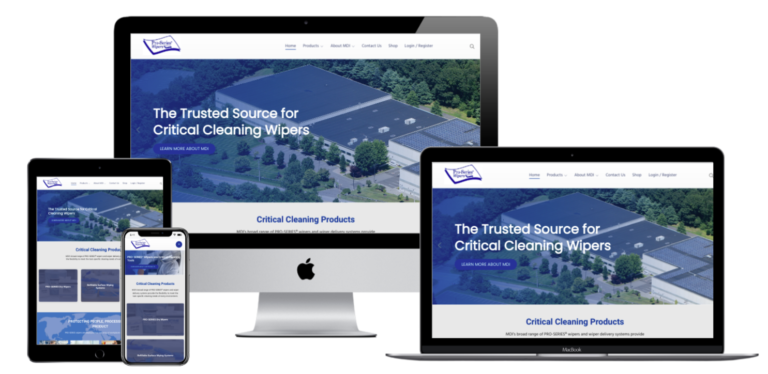
Here are some examples of our stunning WordPress websites